Class 7 Social Science Chapter 6: The Age of Reorganisation | Post‑Mauryan Kingdoms, Shungas & Satavahanas, Indo‑Greeks–Shakas–Kushanas, Sangam Age Chera–Chola–Pandya
Complete Chapter 6 guide: breakup of the Mauryan empire and rise of many new kingdoms, why this period is called the “Age of Reorganisation”, Shunga rule and aśvamedha yajña, Bharhut Stupa and early Buddhist art, Indo‑Greeks, Shakas and Kushanas entering and assimilating into Indian culture, Hathigumpha inscription of Kharavela, southern kingdoms Cheras–Cholas–Pandyas, Sangam Age literature, Karikala’s Kallanai (Grand Anicut) and trade with Romans, plus exam-focused summary, maps, Q&A, extra questions and quiz for CBSE Exam
Updated: 6 months ago
Categories: Class 7 Social Science, NCERT Notes 2025, Ancient Indian History, Post‑Mauryan Age, Indo‑Greek Shaka Kushana, Sangam Age South India, CBSE Exam Preparation, Q&A and Quizzes
Tags: class 7 social science chapter 6 notes, age of reorganisation class 7, post mauryan period india, shunga dynasty pushyamitra, ashvamedha yajna meaning, bharhut stupa shunga art, indo greeks shakas kushanas india, cultural confluence foreign rulers, hathigumpha inscription kharavela, tolerance to all sects indian ethos, cheras cholas pandyas kingdoms map, sangam age literature poets, karikala chola kallanai grand anicut, trade with roman empire spices pearls, coins of chera kings emblem, pandya kingdom madurai naval power, exploring society india and beyond chapter 6, cbse class 7 history chapter 6
Class 7 Social Science Chapter 6: The Age of Reorganisation | Complete NCERT Notes, Activities, Questions & Answers 2025
The Age of Reorganisation
Class 7 Social Science Chapter 6 | Complete NCERT Guide | Post-Maurya Kingdoms, Cultural Confluence
Full Chapter Summary & Detailed Notes – The Age of Reorganisation
Opening Quote – Jagdish Chandra Bose (1917)
“By continuous living tradition and a vital power of rejuvenescence, this land has readjusted itself through unnumbered transformations.”
This quote highlights India's ability to adapt and reorganise through history.
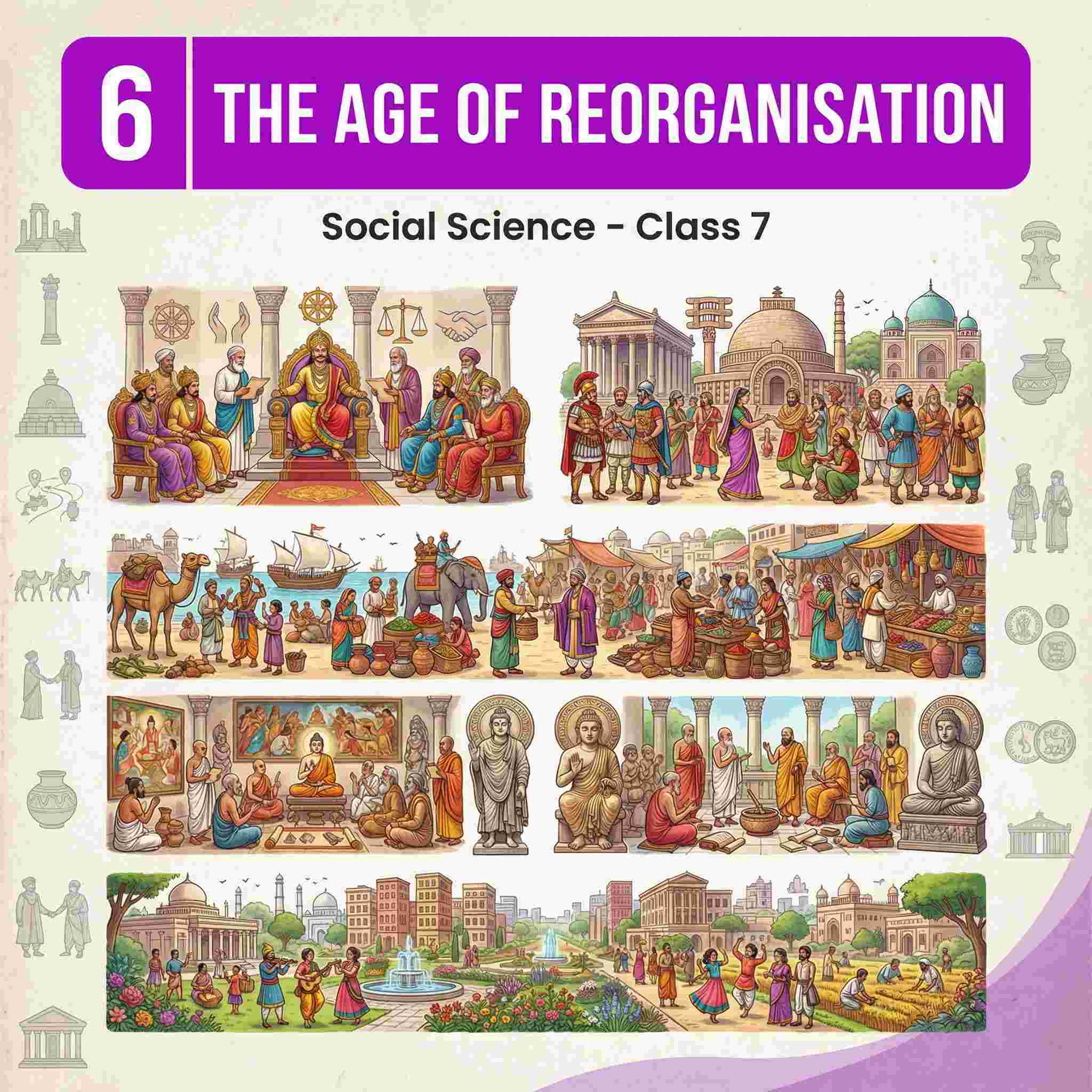
Fig. 6.1.1 – Art from the Age of Reorganisation
A glimpse of diverse artefacts from multiple kingdoms.
The Big Questions (3 Questions – Very Important)
Why is the period post-Maurya called the 'Age of Reorganisation'?
What values or principles guided emperors?
How did foreign invaders assimilate into Indian society and contribute to cultural confluence?
Introduction & Period Overview
Post-Maurya era (~185 BCE to 3rd century CE): Empire broke up after Ashoka's death. Last Maurya emperor assassinated by Pushyamitra Shunga. New kingdoms emerged from tributary states. Northwest exposed to invasions.
Why 'Age of Reorganisation'? Regions reorganised into competing kingdoms; map changed significantly.
Prominent Dynasties (Fig. 6.2)
Dynasty
Region
Key Features
Shungas
North/Central India
Revival of Vedic rituals, art (Bharhut Stupa)
Satavahanas
Deccan (Andhra, Telangana, Maharashtra)
Trade, agriculture, coins with ships
Chedis
Kalinga (Odisha)
Rock-cut caves, Hathigumpha inscription
Cholas, Cheras, Pandyas
South India
Sangam literature, trade with Romans
Indo-Greeks, Shakas, Kushanas
Northwest/North India
Cultural fusion (Gandhara art)
Shungas
Founded by Pushyamitra. Performed Ashvamedha yajna. Revived Vedic rituals. Patronised Sanskrit literature (Yoga Sutras by Patanjali). Art: Bharhut Stupa railings depicting Buddha's life.
Satavahanas
Capitals: Amaravati, Pratishthana
Trade: Coins with ships, exports to Rome (spices, textiles)
Agriculture: Krishna-Godavari system
Culture: Matrilineal names (e.g., Gautamiputra Satakarni), donations to monks
Art: Karla caves, Pitalkhora yaksha
Chedis
King Kharavela: Jain follower, 'monk-king'. Udayagiri-Khandagiri caves. Hathigumpha inscription: Military campaigns, welfare works, respect for all sects.
Southern Kingdoms (Sangam Age)
Cholas: King Karikala – Kallanai dam. Epic: Silappadikaram.
Cheras: Trade with Romans (spices, pearls). Capital: Vanji.
Pandyas: Capital: Madurai. Pearl trade, naval power.
Sangam literature: Poems on love, heroism; assembly of poets.
Foreign Invaders & Assimilation
Indo-Greeks: Heliodorus pillar (devotee of Vasudeva). Coins with Indian deities.
Shakas: Shaka Samvat calendar.
Kushanas: Kanishka – Patronised art. Coins with Buddha/Shiva. Gandhara & Mathura art schools: Fusion of Greek-Indian styles.
Key Takeaways for Exams
Period: 185 BCE – 3rd century CE
Reorganisation: New kingdoms, invasions, cultural exchanges
Values: Tolerance for all sects, welfare, Vedic rituals
Assimilation: Foreigners adopted Indian gods, art styles
One-Page Revision Map
Post-Maurya → Shungas (Vedic revival) → Satavahanas (trade) → Chedis (caves) → South (Sangam) → Invaders (Indo-Greeks, Kushanas – art fusion) Values: Tolerance, welfare Assimilation: Cultural confluence
Golden Line for 5 Marks:
“The post-Maurya era (185 BCE-3rd CE) is called 'Age of Reorganisation' as new kingdoms emerged, competing for power. Emperors guided by tolerance and welfare. Foreign invaders assimilated, contributing to art like Gandhara fusion.”
Activities & 25+ Questions and Answers - The Age of Reorganisation
All "Let's Explore" & "Think About It" Activities – Fully Solved
Page 118: Create a timeline (185 BCE to 300 CE).
Period covers ~485 years. Mark: Shunga (185 BCE), Satavahana (2nd BCE), Chedi/Kharavela (~1st BCE), Indo-Greeks (2nd BCE), Kushana/Kanishka (2nd CE), Sangam Age (3rd BCE-3rd CE).
Page 119: BCE to CE transition?
BCE (Before Common Era) counts backward; CE (Common Era) forward. Year 1 BCE followed by 1 CE.
Coins, inscriptions, Roman artefacts in India, texts like Periplus.
Page 134: Pearls importance?
Luxury item, jewellery, trade value.
Page 136: Indo-Greek coins?
Shows assimilation, respect for local deities.
Page 137: Kanishka statue?
Clothing: Central Asian. Weapon: Sword. Footwear: Boots → Warrior king.
Page 137: Coins – besides emperor?
Buddha, Shiva → Tolerance for religions.
Page 138: Gandhara name?
From Mahabharata (Gandhari's kingdom).
Page 140: Art identification (Fig. 6.27).
Gandhara: Grey stone, Greek features. Mathura: Red sandstone, Indian style.
End-of-Chapter Questions – Fully Solved
1. Why post-Maurya era 'era of reorganisation'?
Empire broke; new kingdoms emerged, competing; invasions; cultural exchanges.
2. Note on Sangam literature (150 words).
Sangam literature: Oldest Tamil works from poet assemblies (sangams). 3rd BCE-3rd CE. Anthologies on love, heroism, society. Describes Chola, Chera, Pandya life, trade, values. Epics like Silappadikaram on justice. Historians use for south Indian history.
(Example: Kushanas) Central Asian; Kanishka powerful. Empire: Asia to north India. Patronised art (Gandhara/Mathura). Coins with deities show tolerance. Silk Route trade. Chose because of cultural fusion.
5. Create your kingdom.
Emblem: Lotus (purity). Title: Dharma Raja. Values: Tolerance, welfare. Rules: Education for all, eco-friendly.
Multi-Skilled Professions: Goldsmith carved stone (yaksha inscription).
Trade Society: Merchants, tolls (Naneghat); diverse goods (spices, pearls).
Donations & Welfare: Land to monks, scholars; Kharavela's council of sages.
Urban-Rural Mix: Cities for trade, caves for monks.
Justice in Epics: Silappadikaram emphasises ruler's dharma.
Assimilation: Foreigners became 'Indian' – e.g., Heliodorus as Vasudeva devotee.
Modern Connections – You Can Still See Today!
Kallanai Dam → Chola irrigation, still used in Tamil Nadu
Shaka Samvat → Official Indian calendar (starts 78 CE)
Udayagiri Caves → Jain pilgrimage in Odisha
Tolerance → India's secular constitution roots
Art Influence → Buddha statues worldwide from Gandhara style
Yoga Sutras → Basis of modern yoga
Important Archaeological Sites
Bharhut Stupa (MP) → Shunga railings, Buddhist stories
Karla Caves (MH) → Satavahana, Buddhist chaitya
Udayagiri (Odisha) → Chedi rock-cut, Hathigumpha
Mathura (UP) → Kushana sculptures
Impact on Indian History
Bridge to Golden Age (Guptas)
Cultural diversity from fusions
Trade networks for later economies
Tolerance as national value
Exam Quick Tips & Golden Lines
Best Historical Example: “Kushanas under Kanishka fused cultures in Gandhara art.”
Best Social Example: “Satavahana queens showed women's influence.”
Golden Line for Long Answer:
“The Age of Reorganisation saw kingdom emergence post-Maurya, guided by tolerance. Foreign invaders assimilated, creating art fusions like Gandhara, enriching India's cultural confluence.”
Real-Life Examples – Post-Maurya Kingdoms & Cultural Exchanges
3 attempts on CBSE Class 7 Annual Assessment quizzes
HIMAKSHI GUPTA . scored 2/10 on Integers and Rational Numbers Naavya Agarwal scored 0/10 on Integers and Rational Numbers Anshika Yadav scored 0/10 on Integers and Rational Numbers HIMAKSHI GUPTA . scored 2/10 on Integers and Rational Numbers Naavya Agarwal scored 0/10 on Integers and Rational Numbers Anshika Yadav scored 0/10 on Integers and Rational Numbers
#1
Integers and Rational Numbers Fundamentals | CBSE Class 7 Annual Assessment
10 Qs · ~10 min
#2
Class 7 Social Science — Banks and the Magic of Finance (Practice Quiz)
10 Qs · ~10 min
#3
Class 7 Social Science — Infrastructure: Engine of India's Development (Practice Quiz)
10 Qs · ~10 min
#4
Class 7 Social Science — The State, the Government, and You (Practice Quiz)
10 Qs · ~10 min
#5
Class 7 Social Science — India, a Home to Many (Practice Quiz)
10 Qs · ~10 min
#6
Class 7 Social Science — Turning Tides: 11th and 12th Centuries (Practice Quiz)
10 Qs · ~10 min
#7
Class 7 Social Science — Empires and Kingdoms: 6th to 10th Centuries (Practice Quiz)
10 Qs · ~10 min
#8
Class 7 Social Science — India and Her Neighbours (Practice Quiz)
10 Qs · ~10 min
#9
Class 7 Social Science — The Story of Indian Farming (Practice Quiz)
10 Qs · ~10 min
#10
Class 7 Social Science — Understanding Markets (Practice Quiz)
10 Qs · ~10 min
#11
Class 7 Social Science — From Barter to Money (Practice Quiz)
10 Qs · ~10 min
#12
Class 7 Social Science — The Constitution of India — An Introduction (Practice Quiz)
10 Qs · ~10 min
#13
Class 7 Social Science — From the Rulers to the Ruled: Types of Governments (Practice Quiz)
10 Qs · ~10 min
#14
Class 7 Social Science — How the Land Becomes Sacred (Practice Quiz)
10 Qs · ~10 min
#15
Class 7 Social Science — The Gupta Era: An Age of Tireless Creativity (Practice Quiz)
10 Qs · ~10 min
#16
Class 7 Social Science — The Age of Reorganisation (Practice Quiz)
10 Qs · ~10 min
#17
Class 7 Social Science — The Rise of Empires (Practice Quiz)
10 Qs · ~10 min
#18
Class 7 Social Science — New Beginnings: Cities and States (Practice Quiz)
10 Qs · ~10 min
#19
Class 7 Social Science — Climates of India (Practice Quiz)
10 Qs · ~10 min
#20
Class 7 Social Science — Understanding the Weather (Practice Quiz)
10 Qs · ~10 min
#21
Class 7 Social Science — Geographical Diversity of India (Practice Quiz)
10 Qs · ~10 min
#22
Class 7 Sanskrit — परिशिष्टम् २ — धातुरूपाणि एवं सन्धि-परिचयः (Practice Quiz)
10 Qs · ~10 min
#23
Class 7 Sanskrit — परिशिष्टम् १ — शब्दरूपाणि (Practice Quiz)
10 Qs · ~10 min
#24
Class 7 Sanskrit — वर्णमात्रा-परिचयः (Practice Quiz)
10 Qs · ~10 min
#25
Class 7 Sanskrit — वीराङ्गना पन्नाधाया (Practice Quiz)
10 Qs · ~10 min
#26
Class 7 Sanskrit — द्वीपेषु रम्यः द्वीपोऽण्डमानः (Practice Quiz)
10 Qs · ~10 min
#27
Class 7 Sanskrit — दशमः कः? (Practice Quiz)
10 Qs · ~10 min
#28
Class 7 Sanskrit — अन्नाद् भवन्ति भूतानि (Practice Quiz)
10 Qs · ~10 min
#29
Class 7 Sanskrit — हितं मनोहारि च दुर्लभं वचः (Practice Quiz)
10 Qs · ~10 min
#30
Class 7 Sanskrit — ईशावास्यम् इदं सर्वम् (Practice Quiz)
10 Qs · ~10 min
#31
Class 7 Sanskrit — क्रीडाम वयं श्लोकान्त्याक्षरीम् (Practice Quiz)
10 Qs · ~10 min
#32
Class 7 Sanskrit — सेवा हि परमो धर्मः (Practice Quiz)
10 Qs · ~10 min
#33
Class 7 Sanskrit — न लभ्यते चेत् आम्लं द्राक्षाफलम् (Practice Quiz)
10 Qs · ~10 min
#34
Class 7 Sanskrit — मित्राय नमः (Practice Quiz)
10 Qs · ~10 min
#35
Class 7 Sanskrit — नित्यं पिबामः सुभाषितरसम् (Practice Quiz)
10 Qs · ~10 min
#36
Class 7 Sanskrit — वन्दे भारतमातरम् (Practice Quiz)
10 Qs · ~10 min
#37
Class 7 Hindi — मीरा के पद (Practice Quiz)
10 Qs · ~10 min
#38
Class 7 Hindi — चिड़िया (Practice Quiz)
10 Qs · ~10 min
#39
Class 7 Hindi — बिरजू महाराज से साक्षात्कार (Practice Quiz)
10 Qs · ~10 min
#40
Class 7 Hindi — वर्षा-बहार (Practice Quiz)
10 Qs · ~10 min
#41
Class 7 Hindi — गिरिधर कविराय की कुंडलियाँ (Practice Quiz)
10 Qs · ~10 min
#42
Class 7 Hindi — नहीं होना बीमार (Practice Quiz)
10 Qs · ~10 min
#43
Class 7 Hindi — पानी रे पानी (Practice Quiz)
10 Qs · ~10 min
#44
Class 7 Hindi — फूल और काँटा (Practice Quiz)
10 Qs · ~10 min
#45
Class 7 Hindi — तीन बुद्धिमान (Practice Quiz)
10 Qs · ~10 min
#46
Class 7 Hindi — माँ, कह एक कहानी (Practice Quiz)
10 Qs · ~10 min
#47
Class 7 English — Bravehearts (Practice Quiz)
10 Qs · ~10 min
#48
Class 7 English — Travel and Adventure (Practice Quiz)
10 Qs · ~10 min
#49
Class 7 English — Dreams and Discoveries (Practice Quiz)
10 Qs · ~10 min
#50
Class 7 English — Wit and Humour (Practice Quiz)
10 Qs · ~10 min
#51
Class 7 English — Learning Together (Practice Quiz)
10 Qs · ~10 min
#52
Class 7 Maths — Finding the Unknown (Practice Quiz)
10 Qs · ~10 min
#53
Class 7 Maths — Constructions and Tilings (Practice Quiz)
10 Qs · ~10 min
#54
Class 7 Maths — Connecting the Dots… (Practice Quiz)
10 Qs · ~10 min
#55
Class 7 Maths — Another Peek Beyond the Point (Practice Quiz)
10 Qs · ~10 min
#56
Class 7 Maths — Finding Common Ground (Practice Quiz)
10 Qs · ~10 min
#57
Class 7 Maths — Operations with Integers (Practice Quiz)
10 Qs · ~10 min
#58
Class 7 Maths — Geometric Twins (Practice Quiz)
10 Qs · ~10 min
#59
Class 7 Maths — Working with Fractions (Practice Quiz)
10 Qs · ~10 min
#60
Class 7 Maths — A Tale of Three Intersecting Lines (Practice Quiz)
10 Qs · ~10 min
#61
Class 7 Maths — Number Play (Practice Quiz)
10 Qs · ~10 min
#62
Class 7 Maths — Parallel and Intersecting Lines (Practice Quiz)
10 Qs · ~10 min
#63
Class 7 Maths — Expressions Using Letter-Numbers (Practice Quiz)
10 Qs · ~10 min
#64
Class 7 Maths — A Peek Beyond the Point (Practice Quiz)
10 Qs · ~10 min
#65
Class 7 Maths — Arithmetic Expressions (Practice Quiz)
10 Qs · ~10 min
#66
Class 7 Maths — Large Numbers Around Us (Practice Quiz)
10 Qs · ~10 min
#67
Class 7 Science — Earth, Moon, and the Sun (Practice Quiz)
10 Qs · ~10 min
#68
Class 7 Science — Light: Shadows and Reflections (Practice Quiz)
10 Qs · ~10 min
#69
Class 7 Science — Life Processes in Plants (Practice Quiz)
10 Qs · ~10 min
#70
Class 7 Science — Life Processes in Animals (Practice Quiz)
10 Qs · ~10 min
#71
Class 7 Science — Measurement of Time and Motion (Practice Quiz)
10 Qs · ~10 min
#72
Class 7 Science — Heat Transfer in Nature (Practice Quiz)
10 Qs · ~10 min
#73
Class 7 Science — Adolescence: A Stage of Growth and Change (Practice Quiz)
10 Qs · ~10 min
#74
Class 7 Science — Changes Around Us: Physical and Chemical (Practice Quiz)
10 Qs · ~10 min
#75
Class 7 Science — The World of Metals and Non-metals (Practice Quiz)
10 Qs · ~10 min
#76
Class 7 Science — Electricity: Circuits and their Components (Practice Quiz)
10 Qs · ~10 min
#77
Class 7 Science — Exploring Substances: Acidic, Basic, and Neutral (Practice Quiz)
10 Qs · ~10 min
#78
Class 7 Science — The Ever-Evolving World of Science (Practice Quiz)
10 Qs · ~10 min
#79
Simple Equations and Applications Practice Quiz | CBSE Class 7 Annual Assessment