GATE Linguistics 2026: Exam Date, Syllabus & Technical Strategy
Master the XH-C3 Paper: In-depth analysis of Phonology, Syntax, and Semantics for 2026.
Updated: 6 months ago
Categories: GATE Exam, Humanities, Linguistics

GATE 2026 Linguistics Exam Timeline
IIT Guwahati has slotted the Linguistics (XH-C3) paper for the first Sunday of the window. As part of the Humanities (XH) umbrella, it shares a common afternoon session with other HSS subjects.
Event
Official Date / Time
Admit Card Release
January 13, 2026
Linguistics (XH) Exam Date
February 1, 2026 (2:30 PM - 5:30 PM)
Result Declaration
March 19, 2026
Understanding the XH Paper Structure
The XH-C3 paper is unique because it combines general analytical skills with core linguistic depth. The 100 marks are divided as follows:
• Part 1: General Aptitude (Compulsory): 15 Marks. Tests logic and numerical ability.
• Part 2: Reasoning & Comprehension (XH-B1): 25 Marks. Compulsory for all XH candidates. Focuses on critical reading.
• Part 3: Linguistics (XH-C3): 60 Marks. The core subject section containing 40 technical questions.
Core Syllabus: The Linguistic Pillars
To target an AIR under 100, you must move beyond descriptive linguistics into formal, rule-based analysis.
1. Phonetics & Phonology: IPA transcription, acoustic phonetics, phonological rules (assimilation, elision), and distinctive features.
2. Morphology: Morphemes (free vs bound), word-formation processes, and morphological analysis of unknown language data.
3. Syntax: X-bar theory, transformational grammar, C-command, and syntactic structures of various languages.
4. Semantics & Pragmatics: Truth-conditional semantics, entailment, implicature, and speech act theory.
The "Tech" Side: Applied Linguistics
Linguistics in GATE often touches upon how language interacts with society and technology—areas critical for modern research.
• Sociolinguistics: Dialect vs Language, code-switching, and language variation.
• Historical Linguistics: Language families, comparative method, and internal reconstruction.
• Computational Linguistics: Basics of NLP, tokenization, and machine translation concepts.
Success Roadmap for 2026
1. Zero-Error in B1 (Comprehension): These 25 marks provide the base for your rank. Practice reading complex academic texts to improve inference speed.
2. Data Analysis Practice: GATE Linguistics often provides data from obscure languages. Practice identifying morphemes and phonological patterns in "unseen" data.
3. Master the MSQs: Since there is no negative marking for Multiple Select Questions, use them to your advantage in theoretical sections like Syntax.
4. Math for Linguistics: Brush up on basic set theory and logic, as these are often applied in Semantics and Formal Grammar.
Official Links & Reference Portals
Refer to the Organizing Institute for authentic syllabus and mock test links:
Recommended BooksSee All →
35% OFF
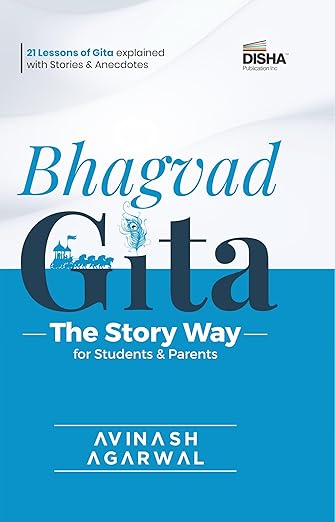
Bhagvad Gita – The Story Way for Students & Parents
₹194M.R.P. ₹299
Buy on Amazon

34% OFF
You Can – The Classic Guide to Self-Belief & Personal Growth
₹99M.R.P. ₹149
Buy on Amazon

Atomic Habits – Tiny Changes, Remarkable Results
₹521
Buy on Amazon
As an Amazon Associate, ProSyllabus earns from qualifying purchases. Prices shown are subject to change.
Practice Quiz
Test your GATE Humanities and Social Sciences - Linguistics prep
Dual AI-verified questions Real exam pattern 2 quizzes free, then 10 credits per quiz
#1
Language Change Mechanisms Advanced Challenge | GATE Humanities and Social Sciences - Linguistics
10 Qs · ~10 min
#2
Sociolinguistic Variation and Register Advanced Challenge | GATE Humanities and Social Sciences - Linguistics
10 Qs · ~10 min
#3
Phonemes and Allophones Fundamentals | GATE Humanities and Social Sciences - Linguistics
10 Qs · ~10 min

Group Discussions
No forum posts available.


