GATE Psychology 2026: Exam Date, Syllabus & High-Yield Strategy
Master the XH-C5 Paper: Detailed analysis of Cognitive, Clinical, and Research Methodology.
Updated: 6 months ago
Categories: GATE Exam, Humanities, Psychology

GATE 2026 Psychology Exam Timeline
For the 2026 cycle, Psychology (XH-C5) is held during the first weekend. It follows the standard Humanities (XH) three-part format.
Event
Official Date / Time
Admit Card Release
January 13, 2026
Psychology (XH) Exam Date
February 7, 2026 (Afternoon Session)
Result Declaration
March 19, 2026
Understanding the XH Paper Structure
Success in XH-C5 requires balancing general aptitude with technical research skills. The 100 marks are structured as follows:
• Part 1: General Aptitude (Compulsory): 15 Marks. Tests verbal and numerical ability.
• Part 2: Reasoning & Comprehension (XH-B1): 25 Marks. Compulsory for all XH candidates. Focuses on critical reading and logical inference.
• Part 3: Psychology (XH-C5): 60 Marks. The core subject section containing 40 questions.
Core Syllabus: The Foundation of Mind and Behavior
GATE Psychology leans heavily toward research methodology and cognitive processes. To target an AIR under 100, master these pillars:
1. Research Methods & Statistics: Qualitative vs Quantitative research, experimental designs, and inferential statistics (T-test, ANOVA, Correlation).
2. Cognitive Psychology: Information processing models, Attention, Memory (STM/LTM), Problem-solving, and Decision-making.
3. Biological Basis of Behavior: Structure and function of the nervous system, Neurons, and Endocrine system.
4. Development & Personality: Piaget’s stages of cognitive development, Freud’s psychoanalysis, and the Big Five (OCEAN) traits.
Psychometrics & Social Dynamics
These sections often separate the top rankers from the rest. Ensure technical clarity in:
• Psychological Testing: Reliability, Validity, Norms, and types of standardized tests.
• Social Psychology: Attribution theory, Social influence (Conformity, Obedience), and Attitude change.
• Clinical & Health Psychology: Classification of disorders (DSM-5 / ICD-11), and models of mental health.
Success Roadmap for 2026
1. Prioritize Research Methodology: Nearly 15-20% of the core paper involves research logic. Mastering ANOVA and Research Design is non-negotiable.
2. The MSQ Strategy: Multiple Select Questions are common in Personality and Social Psychology. Since there's no negative marking, ensure you evaluate all trait-based or theoretical options.
3. Master the Virtual Calculator: You will need this for Z-score and Mean/SD calculations in the NAT section. Speed is vital.
4. Integrated Study: Connect biological foundations with cognitive functions (e.g., how the Hippocampus relates to Memory) to handle "Assertion-Reason" type questions.
Official Links & Reference Portals
Refer to the official Organizing Institute for the most authentic syllabus and mock test links:
Recommended BooksSee All →
35% OFF
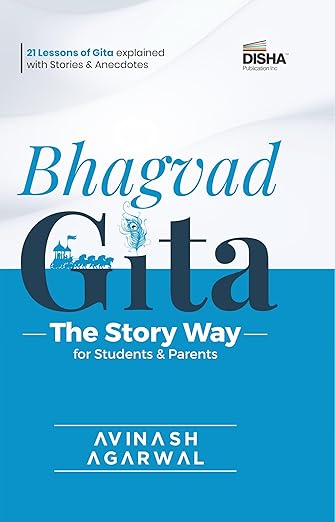
Bhagvad Gita – The Story Way for Students & Parents
₹194M.R.P. ₹299
Buy on Amazon

34% OFF
You Can – The Classic Guide to Self-Belief & Personal Growth
₹99M.R.P. ₹149
Buy on Amazon

Atomic Habits – Tiny Changes, Remarkable Results
₹521
Buy on Amazon
As an Amazon Associate, ProSyllabus earns from qualifying purchases. Prices shown are subject to change.
Practice Quiz
Test your GATE Humanities and Social Sciences - Psychology prep
Dual AI-verified questions Real exam pattern 2 quizzes free, then 10 credits per quiz
#1
ANOVA and Post Hoc Tests Advanced Challenge | GATE Humanities and Social Sciences - Psychology
10 Qs · ~10 min
5.5/10avg score
10/10best
#2
Neurotransmitters and Limbic Functions Advanced Challenge | GATE Humanities and Social Sciences - Psychology
10 Qs · ~10 min
8/10avg score
8/10best
#3
Measures of Central Tendency Fundamentals | GATE Humanities and Social Sciences - Psychology
10 Qs · ~10 min
7/10avg score
7/10best
#4
Classical Conditioning Paradigms Fundamentals | GATE Humanities and Social Sciences - Psychology
10 Qs · ~10 min
5/10avg score
5/10best
Group Discussions
No forum posts available.


