ICMR JRF 2026 Preparation Strategy: Tips, Topics & Mock Tests Guide
Master ICMR JRF 2026 (Life Sciences) with this complete strategy: subject-wise plan, high-weightage topics in molecular biology/immunology, PYQ approach, mock tests, and 3-6 month study timeline. Crack the fellowship for PhD & ₹31,000+ stipend – start prep now!
Updated: 5 months ago
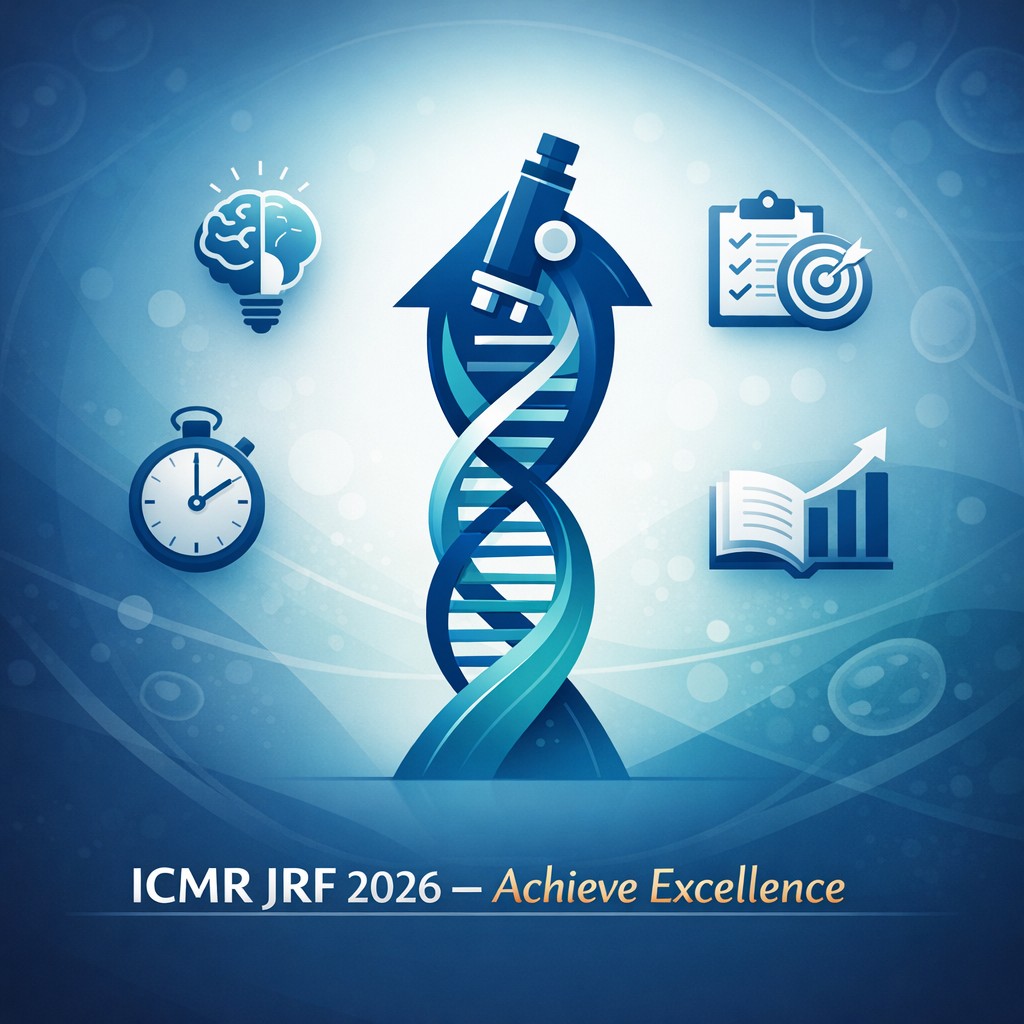
ICMR JRF 2026 Preparation Strategy: Complete Guide to Crack ICMR Junior Research Fellowship
Step-by-step plan for ICMR JRF (Life Sciences) 2026 – subject-wise prep, high-yield topics, PYQ mastery, mock strategy & 3-6 month timeline. Aim for top rank & ₹31,000+ fellowship!
The ICMR JRF (now often under DHR-ICMR BRET) is a prestigious national exam for Junior Research Fellowship in biomedical/medical research, leading to PhD admissions in top institutes. The exam has 125 questions to attempt: Section A (Aptitude/General Science/Stats – 50 compulsory, 1 mark each) + Section B (Life Sciences – attempt 75 out of 100, 1 mark each). Total 125 marks, 2-3 hours, -0.25 for wrong answers. Questions emphasize conceptual understanding in modern biology. With competition rising, focus on accuracy, high-weightage topics, and consistent mocks. This guide is tailored for Life Sciences aspirants targeting 2026 success.
ICMR JRF Life Sciences overlaps heavily with CSIR NET syllabus but leans toward biomedical applications (immunology, microbiology, human physiology, molecular biology). Divide prep into phases:
- Section A (Aptitude – 50 questions): Daily 1-1.5 hrs. Cover scientific phenomena, stats basics (mean, median, probability, hypothesis testing), logical reasoning, GK in sciences. Books: Quantitative Aptitude by RS Aggarwal, Analytical Reasoning by MK Pandey, basic stats from NCERT.
- Section B (Life Sciences – 75 attempted): Core subjects: Biochemistry, Molecular Biology, Cell Biology, Genetics, Immunology, Microbiology, Human Physiology, Biotechnology, Pharmacology.
- Months 1-2: Build foundation – read standard textbooks, make concept notes.
- Months 3-4: Deep dive + short notes for facts/formulas (enzymes, pathways, diseases).
- Months 5-6: Intensive MCQ practice (150-200/day) + revision.
Daily Schedule (8-10 hrs): 3 hrs theory, 2-3 hrs MCQs, 1-2 hrs revision, 1 hr Section A. Prioritize weak areas weekly.
From PYQ analysis (2020-2025), 60-70% questions come from these high-yield areas:
- Molecular Biology & Biochemistry: DNA/RNA structure, replication, transcription, translation, enzymes, metabolism pathways (glycolysis, TCA, ETC), biomolecules, protein folding.
- Cell Biology: Cell organelles, cell cycle (mitosis/meiosis), signaling pathways, apoptosis, cancer biology basics.
- Genetics: Mendelian & non-Mendelian inheritance, genetic disorders, population genetics, mutations, gene mapping.
- Immunology: Innate/adaptive immunity, antibodies, MHC, vaccines, hypersensitivity, autoimmune diseases, cytokines.
- Microbiology & Pathology: Bacteria/virus structure, pathogenesis, antibiotics resistance, virology (COVID, HIV), microbial techniques.
- Human Physiology: Nervous, cardiovascular, respiratory, endocrine, reproductive systems; homeostasis, hormones.
- Biotechnology & Techniques: PCR, cloning, CRISPR, ELISA, blotting, bioinformatics basics.
- Others (frequent): Pharmacology (drug mechanisms), ecology/evolution basics, biophysics (rare but high-scoring).
Tip: Focus on application-based questions (e.g., disease mechanisms, techniques in research). Revise deficiencies, symptoms, and key experiments.
PYQs (2018-2025) are gold – download from icmr.nic.in archives, ifasonline, or easybiologyclass.
- Solve subject-wise first to spot patterns (e.g., immunology 12-15 Qs, molecular bio 10-12 Qs).
- Attempt full papers timed (2-3 hrs) after 3 months prep.
- Analyze errors: Conceptual vs silly – maintain "Mistake Diary" for weekly revision.
- Target: 80-90% accuracy in PYQs before mocks. Many toppers gain 20-30 marks from repeats/variations.
Practice 8-10 years' papers; note recurring themes like immune disorders, metabolic pathways.
Mocks build stamina, time management, and accuracy (negative marking is killer – attempt only 80-90% sure ones).
- Frequency: 1 mock/week initially → 2-3/week in last 3 months.
- Sources: Biotecnika, IFAS, Shomu's Biology mocks, Amazon ICMR JRF mock books, or platforms like Testbook/PW.
- Post-Mock: 2-3x time analyzing – weak topics, time traps (Section A quick, Life Sci deep).
- Approach: Attempt Section A first (fast scoring), then Life Sci in 2 rounds – sure → doubtful.
- Score Goals: Early: 70-85 → Mid: 95-110 → Final: 115+ consistently for top ranks.
Take 30-50 full mocks; simulate exam conditions (no breaks, quiet room).
6-Month Plan (Ideal – Start Now):
- Month 1-2: Cover syllabus + Section A basics. Read Lehninger (Biochem), Alberts (Cell/Mol Bio), Kuby (Immunology).
- Month 3: Complete high-yield topics + start PYQs subject-wise.
- Month 4: Intensive revision + daily 150 MCQs. Make mind maps for pathways/diseases.
- Month 5: Full mocks + error correction. Revise notes 3x.
- Month 6: 3 mocks/week, quick revisions, focus on weak units. Stay calm!
3-Month Crash Plan (Intense): Prioritize high-weightage (Mol Bio, Immunology, Genetics, Physiology) + PYQs + 2 mocks/week. Cover Section A in 2 weeks. Revise daily.
Track progress weekly; stay healthy – 7 hrs sleep, exercise. Check icmr.nic.in for 2026 notification (likely May-June application, July exam).
ICMR JRF rewards conceptual depth + smart practice over rote learning. Consistency, PYQ focus, and mock analysis are key to 110+ scores and fellowship. You've got this – stay dedicated and aim high for that ICMR JRF success! 🧬🔬
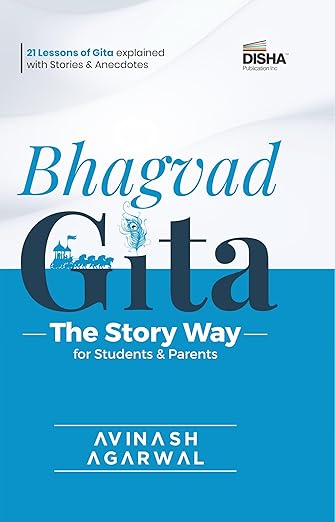


As an Amazon Associate, ProSyllabus earns from qualifying purchases. Prices shown are subject to change.
Test your ICMR prep
Dual AI-verified questions Real exam pattern 2 quizzes free, then 10 credits per quiz
Human Physiology Systems Practice Quiz | ICMR
Cell Structure and Organelles Fundamentals | ICMR
Genetics and Inheritance Patterns Practice Quiz | ICMR
Immunology and Host Response Advanced Challenge | ICMR
Molecular Biology Techniques Advanced Challenge | ICMR
Genetics and Inheritance Patterns Practice Quiz | ICMR
Human Physiology Systems Practice Quiz | ICMR
Immunology and Host Response Advanced Challenge | ICMR
Molecular Biology Techniques Advanced Challenge | ICMR

Group Discussions
No forum posts available.


